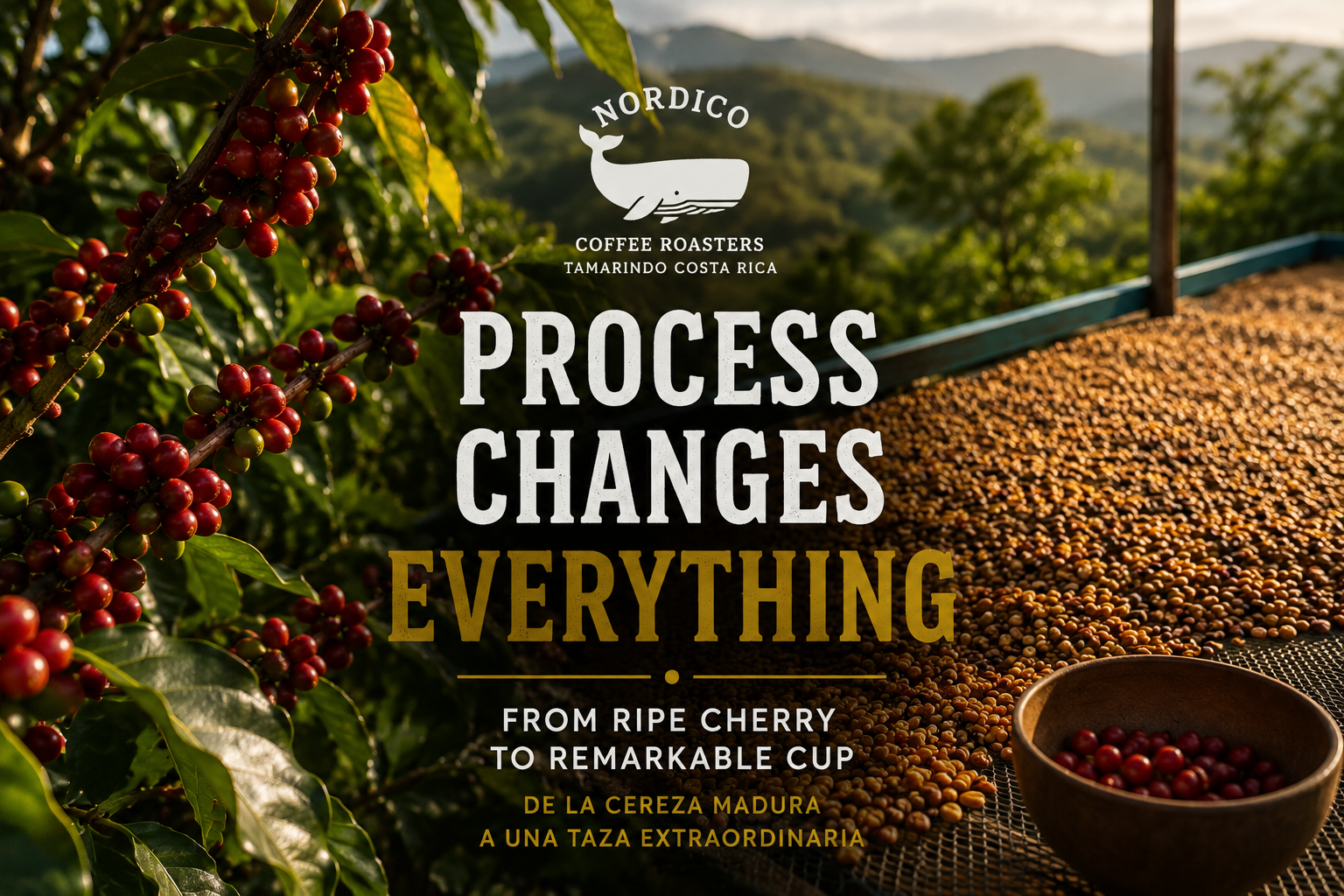


Costa Rica is smaller than coffee-producing giants such as Brazil and Colombia, but its coffees have earned attention for distinctive flavor profiles, producer knowledge and careful processing. Its coffee story is not about production volume alone. It is about the combination of growing environments, varieties, harvesting, processing and roasting that can make individual lots worth exploring.

Eight coffee-growing regions, many different cups
Costa Rica recognizes eight coffee-growing regions: Valle Occidental, Valle Central, Orosi, Tres Ríos, Turrialba, Tarrazú, Brunca and Guanacaste. Across these regions, elevation, rain patterns, sunshine, soil and the conditions of each growing season influence the coffees that producers can cultivate.
Volcanic soils are part of the story in several growing areas, but no single altitude, temperature or soil type guarantees a great cup. Careful farming and postharvest work are just as important as geography.
The Central Valley has a long coffee-growing history and is known for coffees that can offer balance, sweetness and pleasant acidity. Tarrazú is another well-recognized area, frequently associated with higher-elevation growing conditions and carefully developed specialty lots. Nevertheless, a coffee’s precise profile depends on its farm, variety, harvest, processing and roast—not on the region name alone.
Coffee varieties and flavors
Costa Rican producers cultivate a range of Arabica varieties and selections, including Caturra, Catuaí, Venecia, Obatá and Gesha (often written Geisha), among others. Gesha is frequently appreciated for floral character in suitable growing and processing conditions, but no variety always tastes the same. That difference between lots is part of what makes exploring Costa Rican coffee rewarding.
From coffee cherry to roasted coffee
Costa Rican producers have developed considerable expertise in how coffee cherries are processed. Fully washed, honey and natural methods can reveal different attributes. Carefully managed anaerobic fermentation may also influence the cup, depending on the lot and its exact method. Terms such as washed, honey and anaerobic should always be used accurately for each product.
Processing is one step in a longer chain. Harvesting, drying, storage, roasting and brewing all affect the experience in the cup. A distinctive processing label on its own does not guarantee quality.
Nordico: sourcing and roasting in Costa Rica
Nordico is both a coffee house and a coffee roaster. Working with Costa Rican producers, learning about farms and tasting lots helps us select coffees with specific origins and profiles. Personal relationships and farm visits can improve communication and trust, while coffee selections and commercial arrangements should always be described using verified details for each product.


We roast our coffees in Costa Rica. That means Nordico’s own coffees are roasted at origin rather than buying green coffee from Costa Rica and roasting it overseas. The roast location is a meaningful difference, although the dispatch location for an individual customer order may vary.
From the farm to the finished cup, our aim is to make origin, processing, roast and flavor easier to discover and understand.
Explore Nordico coffee roasted at origin
For wholesale or hospitality supply enquiries