

Specialty coffee is coffee recognized for distinctive qualities and value beyond an ordinary commodity product. For coffee drinkers, that may begin with aroma and taste, but it also includes where the coffee was grown, how it was processed, who produced it and how carefully it was roasted and brewed.
At Nordico, the question is especially tangible: our specialty coffees are sourced in Costa Rica and roasted in Costa Rica. Understanding the work behind each cup makes it easier to choose a coffee that fits your taste.
How is specialty coffee evaluated?
In the traditional 100-point cupping approach, coffees scoring 80 points or above were commonly described as specialty grade. The Specialty Coffee Association (SCA) now uses a broader definition: a coffee or coffee experience can be valued for its distinctive attributes. Its Coffee Value Assessment (CVA) considers physical, sensory, personal preference and informational attributes rather than reducing the entire story to one number.
A score can still communicate useful information when its evaluation method is clear. It cannot describe every detail of a coffee’s origin, preparation or meaning to the person drinking it.
Why do origin and growing conditions matter?
The climate, altitude, soil, variety and harvest conditions influence the potential character of a coffee. Costa Rica offers many distinct growing environments, including well-known areas around Tarrazú, Dota, Palmichal and Naranjo. Each coffee should be evaluated on its own merits rather than assuming that a country or region guarantees quality.
Origin information is most useful when it is specific: producer, growing area, variety, processing method and available harvest details help buyers understand what they are tasting.
Why do processing and traceability matter?
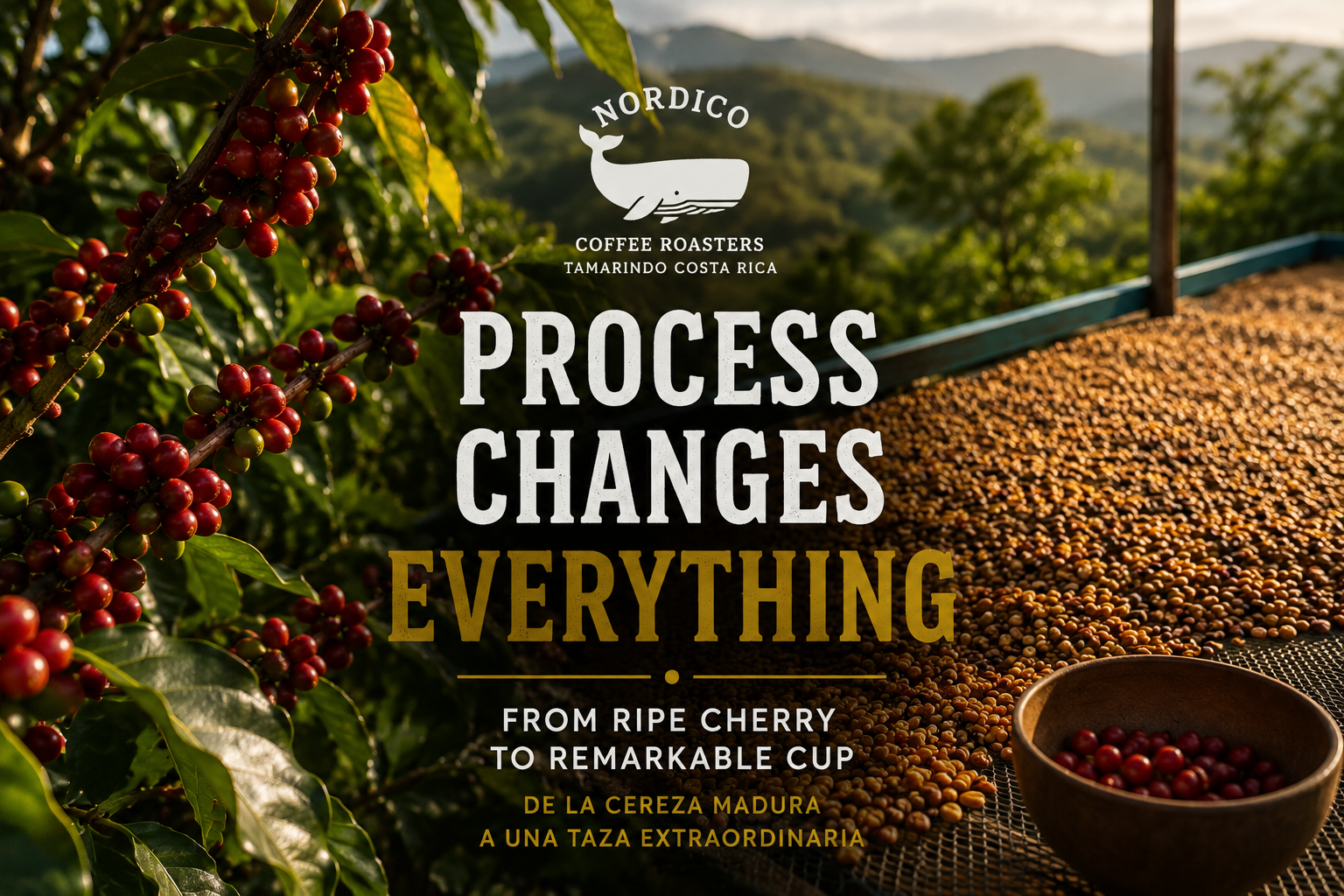
After harvest, coffee cherries must be processed and dried. Decisions at this stage can strongly shape the cup. Careful harvesting, controlled drying, clean handling and transparent records help preserve the coffee’s potential. Different processing methods can create different flavor characteristics; no one method automatically makes every coffee better.
Traceability and good relationships between buyers and producers matter because they make information and expectations easier to verify. Commercial terms, certifications and farming practices should be described accurately for each coffee—not inferred from the word “specialty.”
What does roasting contribute?
Roasting develops the aroma and taste of the green beans. Temperature, time, airflow and the roaster’s decisions affect sweetness, acidity, body and overall balance. Small-batch roasting can offer close control, but quality ultimately depends on the coffee, equipment, skill and consistent evaluation—not on batch size alone.
Nordico roasts its own coffees at origin in Costa Rica. That is different from buying green Costa Rican beans and roasting them in another country. The roasting origin is one meaningful part of the coffee’s story; the shipping origin of a particular order may be different.
Why does brewing matter?
Even well-produced and well-roasted coffee needs a thoughtful brew. Grind size, the ratio of coffee to water, water quality, temperature and extraction time all influence the cup. Methods such as pour-over and French press highlight different aspects of flavor, but consistency is more useful than expensive equipment alone.
Discover Costa Rican specialty coffee
Specialty coffee connects agriculture, craftsmanship and everyday hospitality. When origin, processing, roasting and preparation are transparent, buyers can make better-informed choices—and enjoy what makes each coffee distinctive.
Explore Nordico’s coffees roasted in Costa Rica
For businesses considering a supply partnership